
Sourdough French Bread Recipe

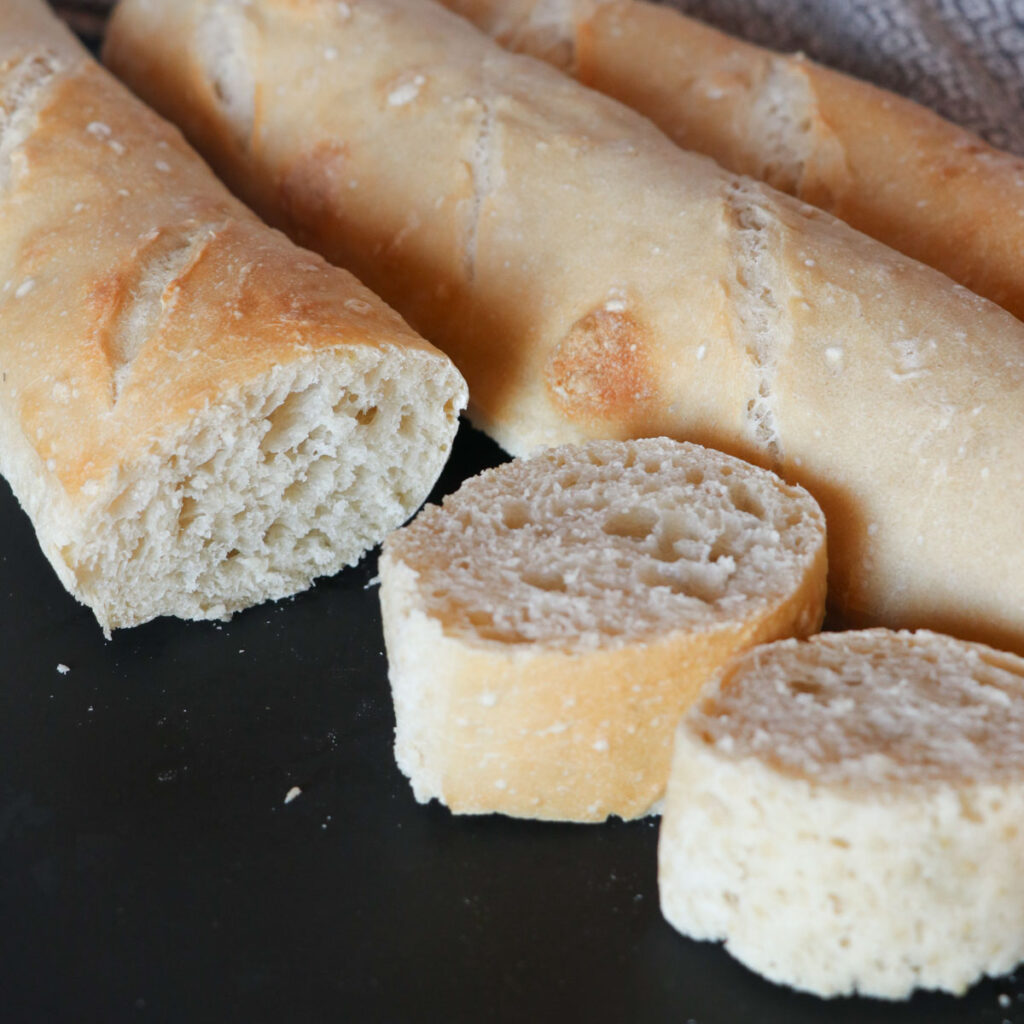
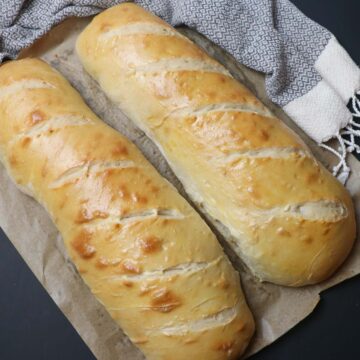
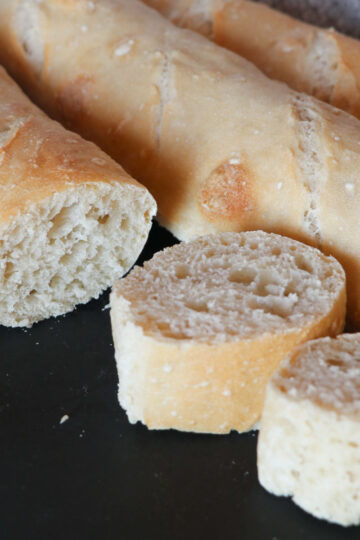
There’s just something special about homemade sourdough French bread, crisp on the outside, soft on the inside, and full of that classic tangy flavor. This easy sourdough bread recipe uses simple ingredients like bread flour, warm water, and an active sourdough starter to create beautiful, golden brown loaves. This recipe is perfect for slicing and serving alongside a cozy bowl of my creamy cheeseburger soup, easy cowboy chili recipe, or my creamy sausage and sauerkraut soup recipe.
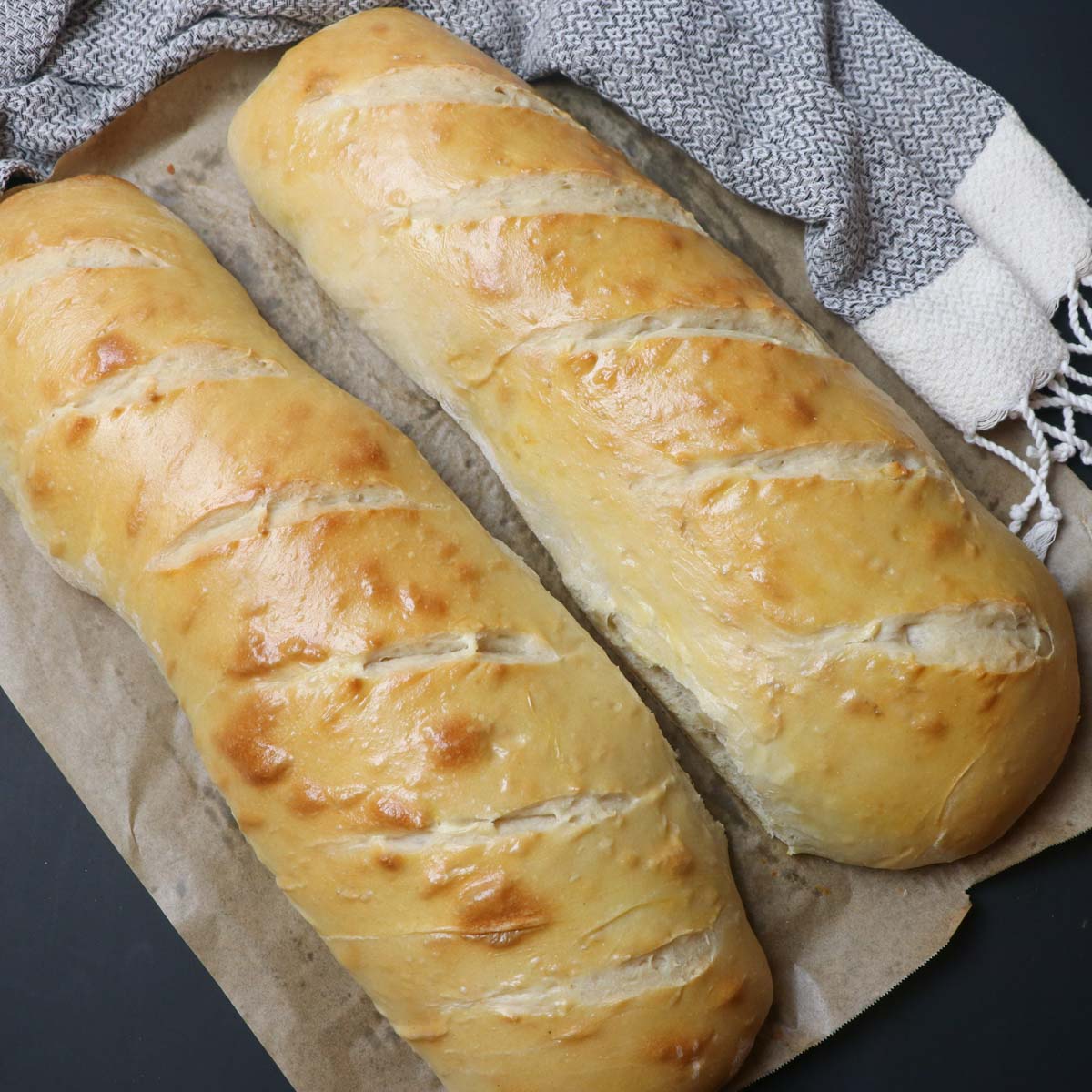
Quick Look: Sourdough French Bread Recipe
- ⏱️ Prep Time: 15 hours
- 🍳 Cook Time: 30 minutes (plus 15 minutes to rest)
- 🕒 Total Time: 15 hrs, 45 minutes
- 👥 Servings: 24
- 📊 Calories: ~38 kcal per serving (based on nutrition panel)
- 🔥 Cook Method: Oven-baked in bread pans.
- 👩🍳 Flavor Profile: Slightly tangy, not super-sweet, not sour.
- ⭐ Difficulty: Easy, making it great for making weekly.
SUMMARIZE & SAVE THIS CONTENT ON
Jump to:
This post contains affiliate links, which means I make a small commission at no extra cost to you. See my full disclosure here.
Why You'll Love This Recipe
- Simple - it's just as easy to make
- Delicious flavor – classic tangy taste with a golden brown and crispy crust.
- Flexible timing – works as an overnight bulk ferment or a same-day sourdough recipe.
How to Make This Easy Sourdough French Bread
Add all ingredients to the bowl of a stand mixer and mix on low speed until combined.
Add more flour until the dough pulls away from the bowl and mix on medium speed for about 5-10 minutes. This will help to develop the gluten and make the bread soft and pliable.
First Rise
Let the dough rise in a warm place for 2-3 hours or until close to double. If it’s winter and your house is cold, it may take longer to raise. That’s okay, let it rise as long as it needs to until it gets close to doubling in size.
Once dough has risen, punch it down, dump it out onto a lightly floured surface, and divide in two.
Second Rise
Shape into loaves by dividing dough into two pieces using a bench scraper. Flatten each piece of dough into a rectangle and roll it up into a long log shape. Be sure to tuck the ends under and place it seam side down on a parchment lined baking sheet.
Allow the loaves to rise for another hour or until almost double in size.
Bake
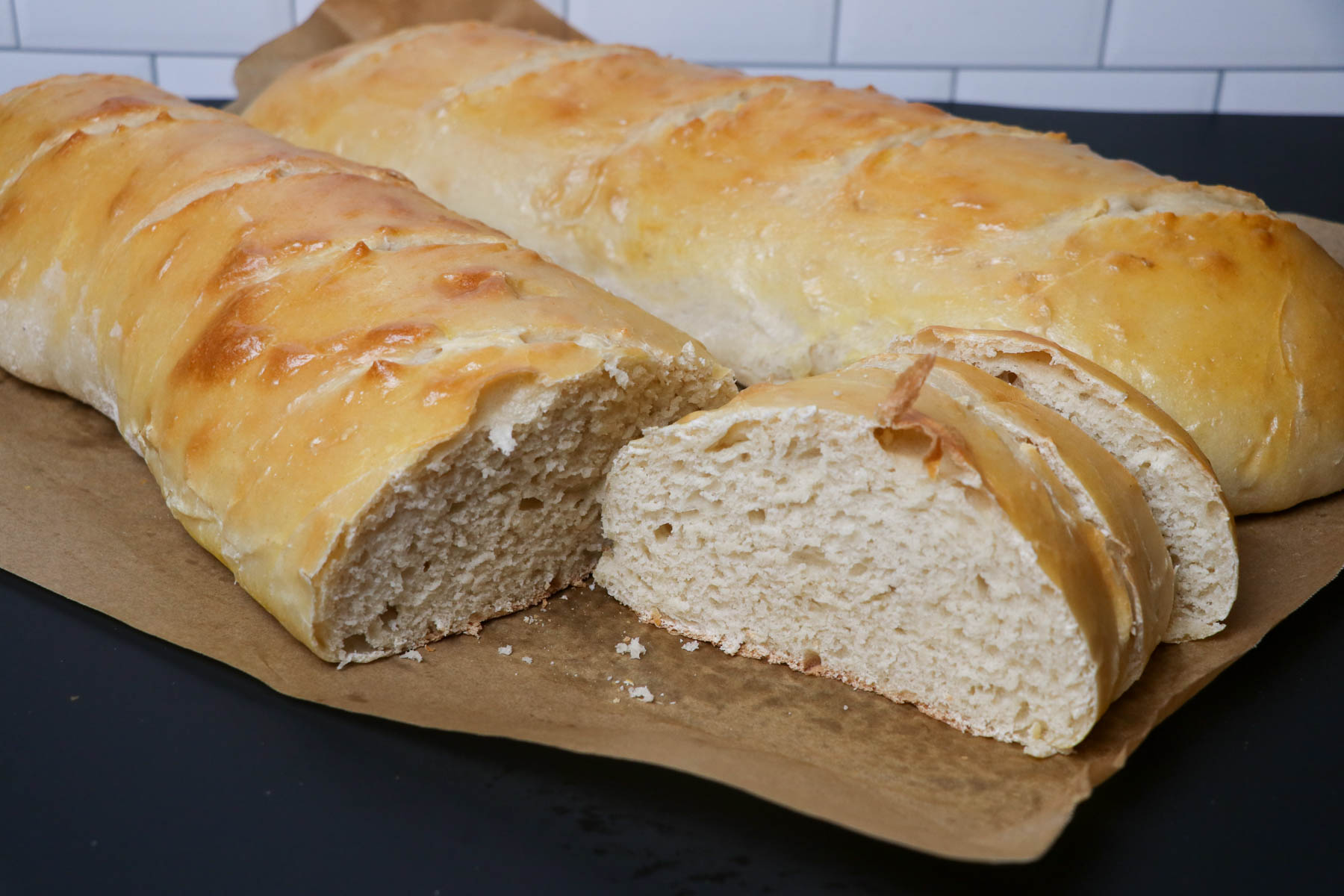
Brush the tops with a beaten egg if desired to give it some extra color. Make 3 or 4 slashes in the tops of the loaves.
Bake in a 350 degree oven for 25-30 minutes or until golden brown.
Tips
More Recipes Like This

Sourdough French Bread Recipe
Equipment
- 1 Bosch mixer or a large mixing bowl
- 1 Bread Lame Scoring Tool or Razor Blade
- 1 Baking sheet
- 1 Measuring cups
Ingredients
- 1 cup active sourdough starter
- 2 ½ cups milk or buttermilk any kind of milk - warm is best if your house is cool
- 2 tablespoon fat butter oil, melted coconut oil or beef tallow (warm is best if your house is cool), or 1 egg
- 2 tablespoon sweetener honey or sugar
- 2 teaspoon salt
- 6-8 cups all purpose or bread flour
Instructions
Mix Ingredients
- Add all ingredients to the bowl of a stand mixer and mix on low speed until combined.
- Add more flour until the dough pulls away from the bowl and mix on medium speed for about 5-10 minutes. This will help to develop the gluten and make the bread soft and pliable.
First Rise
- Let the dough rise in a warm place for 2-3 hours or until close to double. If it’s winter and your house is cold, it may take longer to raise. That’s okay, let it raise as long as it needs to until it gets close to doubling in size.
Second Rise
- Once dough has risen, punch it down, dump it out onto a lightly floured surface, and divide in two.
- Shape into loaves by dividing dough into two pieces using a bench scraper. Flatten each piece of dough into a rectangle and roll it up into a long log shape. Be sure to tuck the ends under and place it seam side down on a parchment lined baking sheet.
- Allow the loaves to rise for another hour or until almost double in size.
- Brush the tops with a beaten egg if desired to give it some extra color. Make 3 or 4 slashes in the tops of the loaves.
- Bake in a 350 degree oven for 25-30 minutes or until golden brown.
- Allow to fully cool before slicing.

There doesn’t appear to be any measurements for this recipe.
I don’t see the measurements either! I’d love to try if you can post the recipe!
You're right! I need to finish adding this, thanks for reminding me! Doing it right now 🙂
Ugh, I forgot to finish this! Adding in the info right now. Thanks for letting me know.