
Easy Sourdough Baguette Recipe

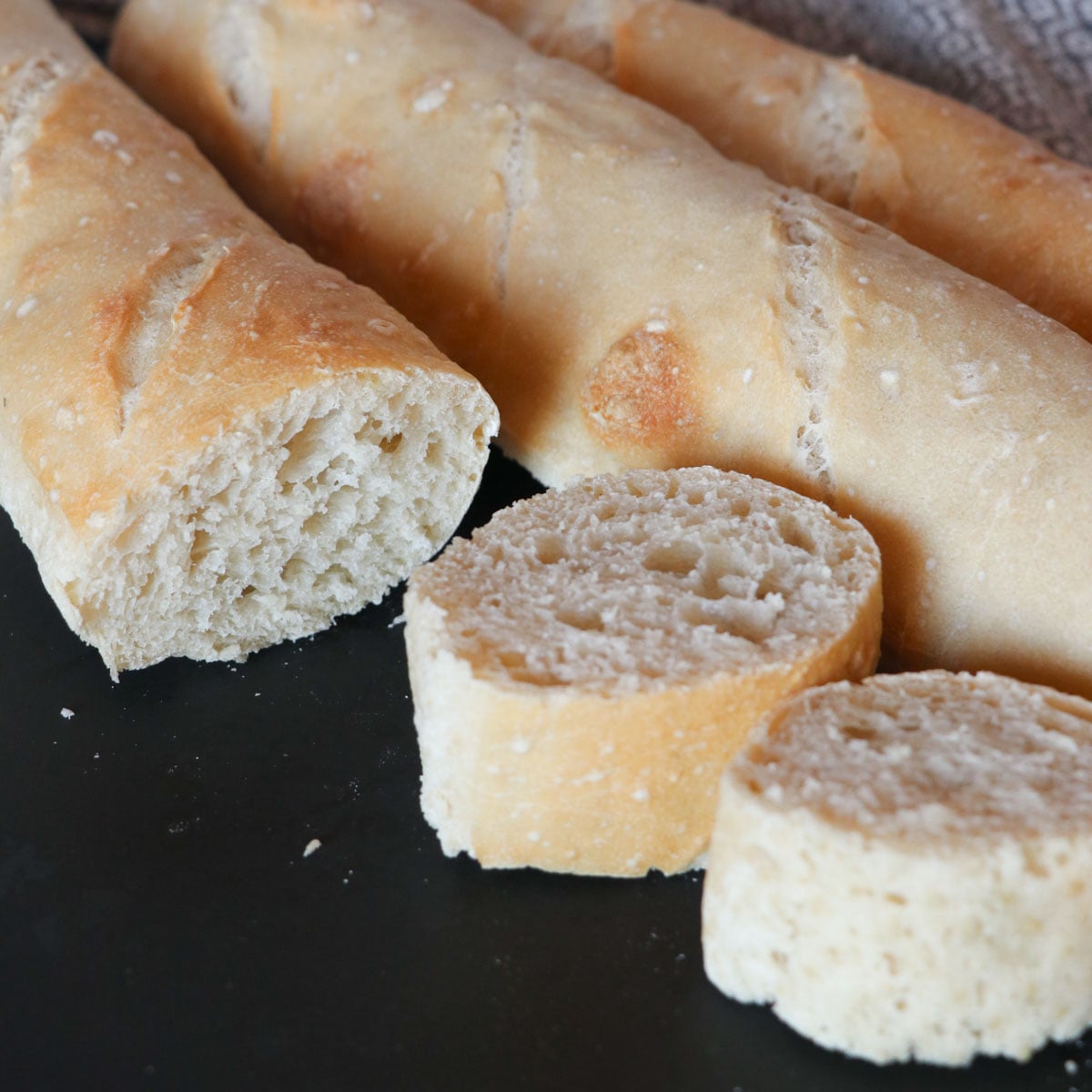
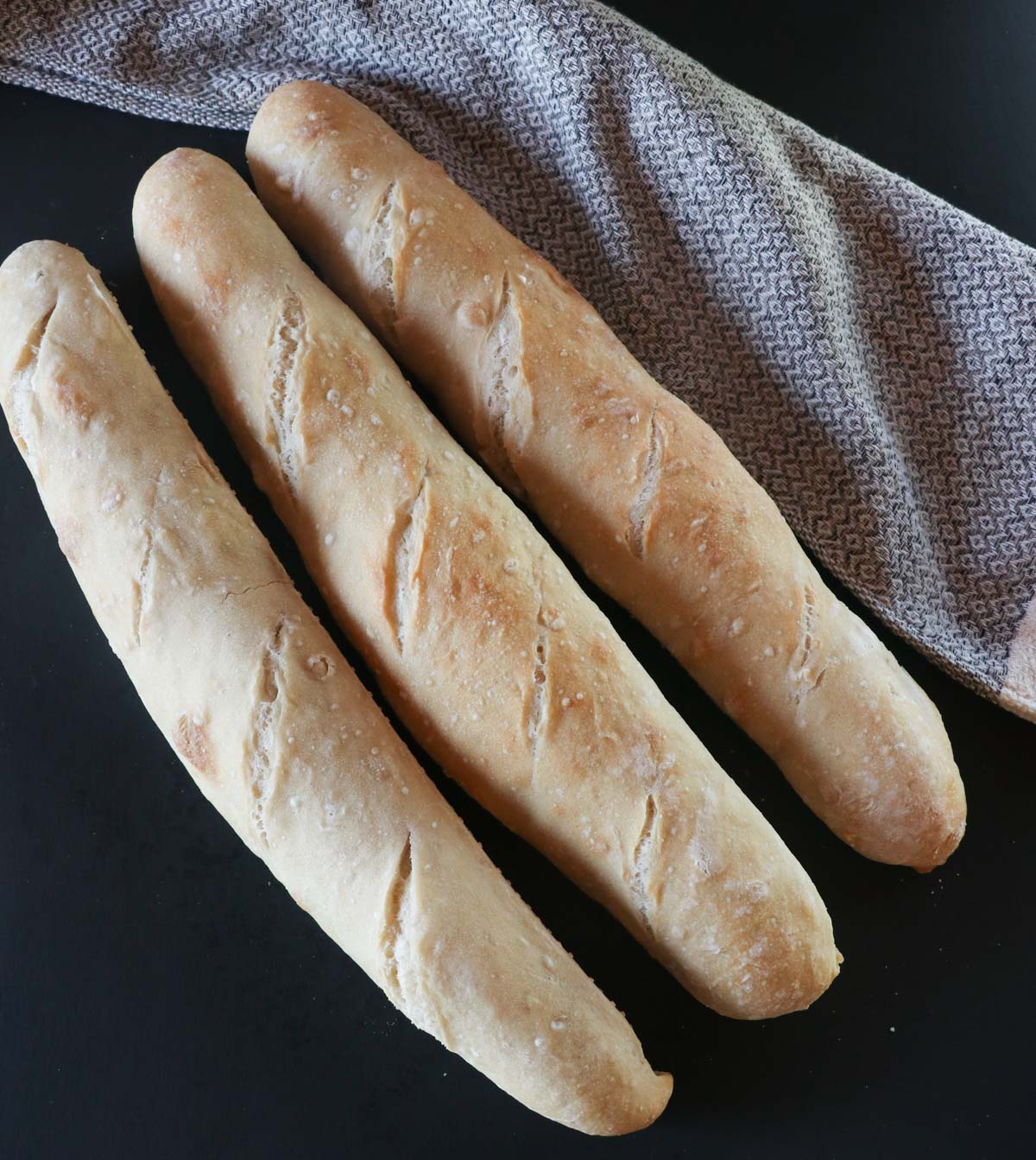
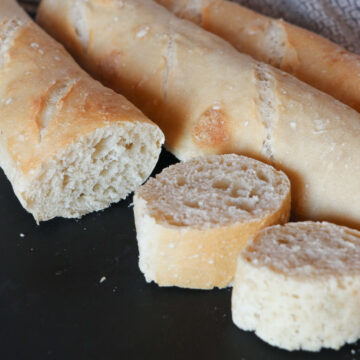
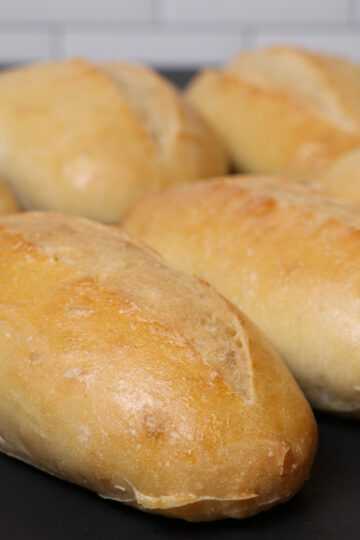
There’s nothing better than a warm, crusty sourdough baguette straight from the oven. Crispy on the outside, soft and airy on the inside, these baguettes are full of flavor and are perfect for enjoying with your favorite soup or with butter and jam.
Quick Look: Easy Sourdough Baguette Recipe
- ⏱️ Prep Time: 8 hours
- 🍳 Cook Time: 25 minutes
- 🕒 Total Time: 8 hrs, 25 minutes
- 👥 Servings: 15
- 📊 Calories: ~106 kcal per serving (based on nutrition panel)
- 🔥 Cook Method: Oven-baked on baguette pan
- 👩🍳 Flavor Profile: Lightly tangy with a crisp, golden crust and a chewy, airy interior with a classic artisan bread taste.
- ⭐ Difficulty: Easy – beginner-friendly, simple mixing, shaping, and baking.
SUMMARIZE & SAVE THIS CONTENT ON
Jump to:
Why You'll Love This Recipe
- Easy - making baguettes is very similar to making a sourdough boule, except for a slightly different shaping process. It's very easy to have fresh baguettes all throughout the week with this simple recipe.
- Delicious - we enjoy these delicious baguettes dipped in flavored oil, alongside eggs with butter and jam, with soup, in mini sandwiches, or bruschetta. There is so many ways you can enjoy this delicious bread.
- Fun to make
What Are The Health Benefits of Sourdough?
Anytime you add a fermented element like sourdough to a recipe, it becomes more nutritious because it contains live probiotics and good bacteria that help with gut health and digestion. Gluten and phytic acid are naturally present in wheat, and are usually what is to blame for people not being able to digest gluten well. When the grain is fermented through the sourdough process, the gluten and phytic acid are broken down, making it easier to digest. A lot of people that struggle with gluten intolerance (not people with celiac), can digest food made with sourdough without any issue, especially if the recipe is allowed to sit out for a few hours and “long ferment”.
In addition, phytic acid is an anti-nutrient that blocks absorption of the nutrients found in wheat. During the sourdough fermentation process, the phytic acid gets broken down and the nutrients are more bio-available to the body. This is why baking with sourdough is so important for our health.
Ingredients
This post contains affiliate links, which means I make a small commission at no extra cost to you. See my full disclosure here
Example of Timing For Making These Sourdough Baguettes
Sourdough bread is so flexible, it can fit into any schedule. Here’s a couple of examples of how you could fit sourdough baking into the margins of your day.
Option 1
- Before bed feed sourdough starter
- 8:00 a.m. the next morning mix ingredients
- 8:30 a.m. add salt and begin stretch and folds over 2-3 hours
- 11:00 a.m. bulk ferment for 2-3 hours
- 2:00 p.m. shape and put in refrigerator
- 5:00 p.m. bake in time for supper
- OR
- 7:00 a.m. the next morning – bake in time for breakfast
Option 2 (this would work great if you work away from the house all day)
- 7:00 a.m. Feed your sourdough starter
- 5:30 p.m. Mix your ingredients
- 5:45 p.m. Add salt and begin your stretch and folds every 15 minutes (since this will be a tighter timeline)
- 7:00 p.m. Bulk ferment on counter for 2 hours
- 9:00 p.m. Shape and put into the refrigerator for an overnight cold proof
- 6:00 a.m. Bake
For more of our favorite sourdough recipes, click here.
How to Make These Sourdough Baguettes
Feed Starter
Feed starter 4-12 hours before mixing up your dough
Mix Ingredients
In a medium bowl, add water and active sourdough starter. To the wet ingredients, add the flour. Mix until it comes together into a shaggy dough. Leave it for 15-30 minutes to “autolyse”. This just means you’re giving the flour a chance to absorb the water and the starter.
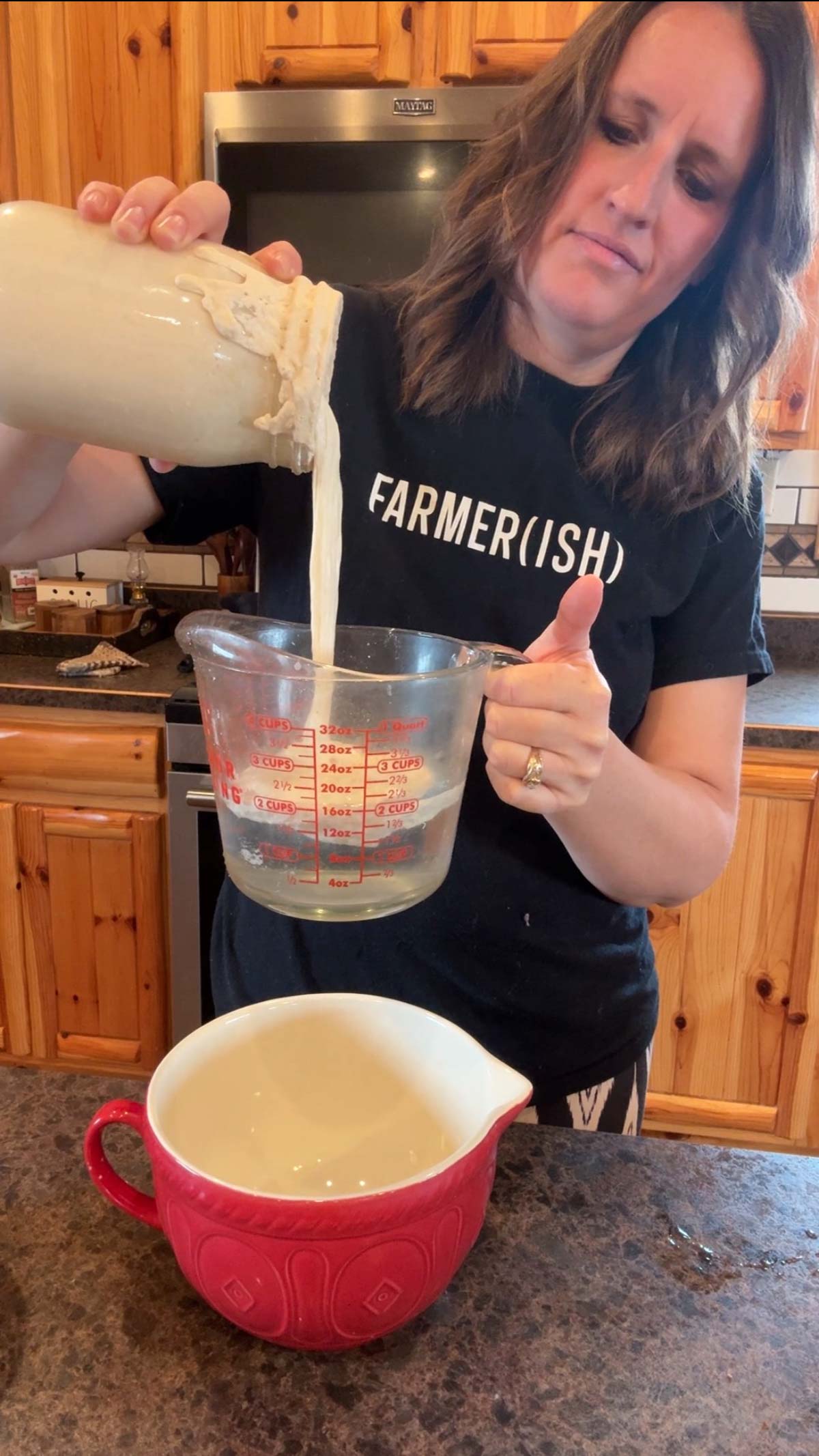
Add the salt and “mix” into the dough with a circular motion similar to how a mixer would mix the dough (see video below). Scrape the dough away from the sides of the bowl. Let the dough rest for 15-30 minutes.
Create Structure In Your Dough
Begin creating structure in your dough by doing a series of stretch and folds, coil folds and/or lamination every 15-30 minutes. You will know your dough has good structure when it holds it shape and starts getting some bubbles on top. Sometimes I only do 2-3 sets of folds before letting it bulk ferment if I’m in a hurry, but I try to also do 2-3 coil folds and one lamination.
Bulk Ferment
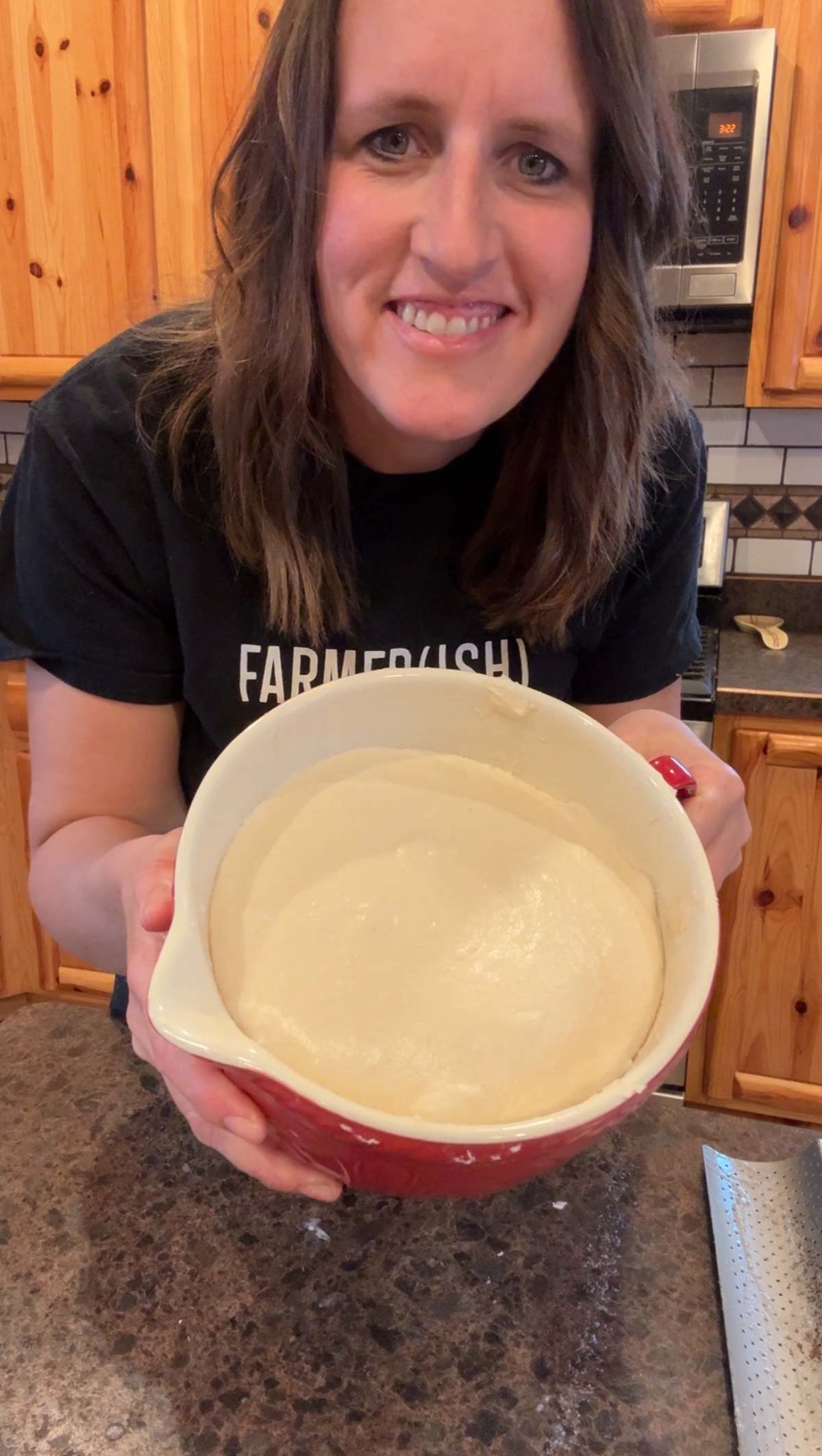
Cover bowl with a loose-fitting lid like a plate and leave it in the bowl at room temperature for 2-3 hours to let the dough rise and bulk ferment.
Divide the dough into three equal parts.
Take a portion of the dough and stretch it out so that it's a flat rectangle.
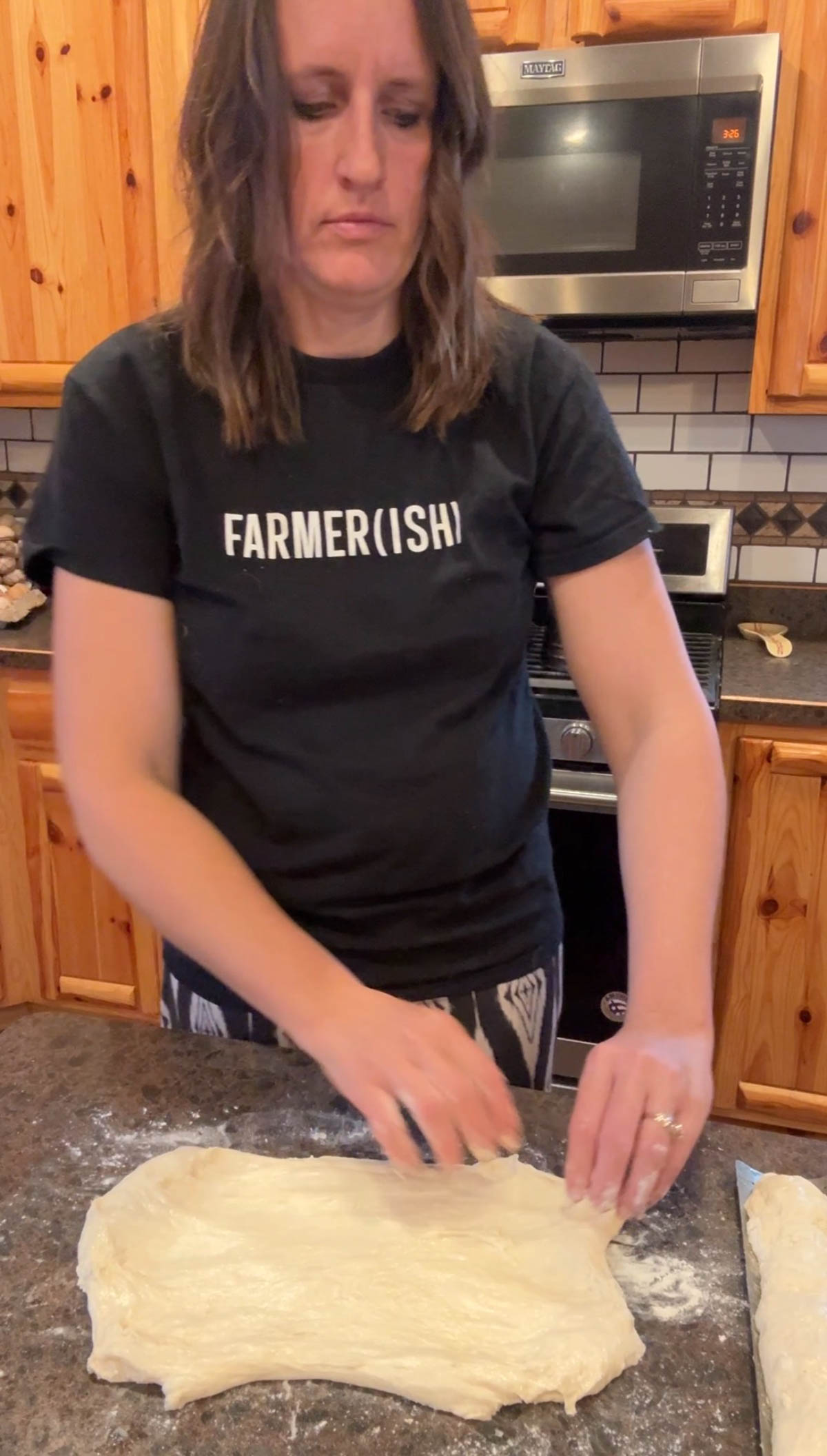
Take the top edge of the dough and fold it into the middle of the dough, pressing gently with your fingertips or the heel of your hand.
Now pull the lower edge of the dough up and over, and then use the counter to create surface tension on the dough and pull it into the baguette shape (see video).
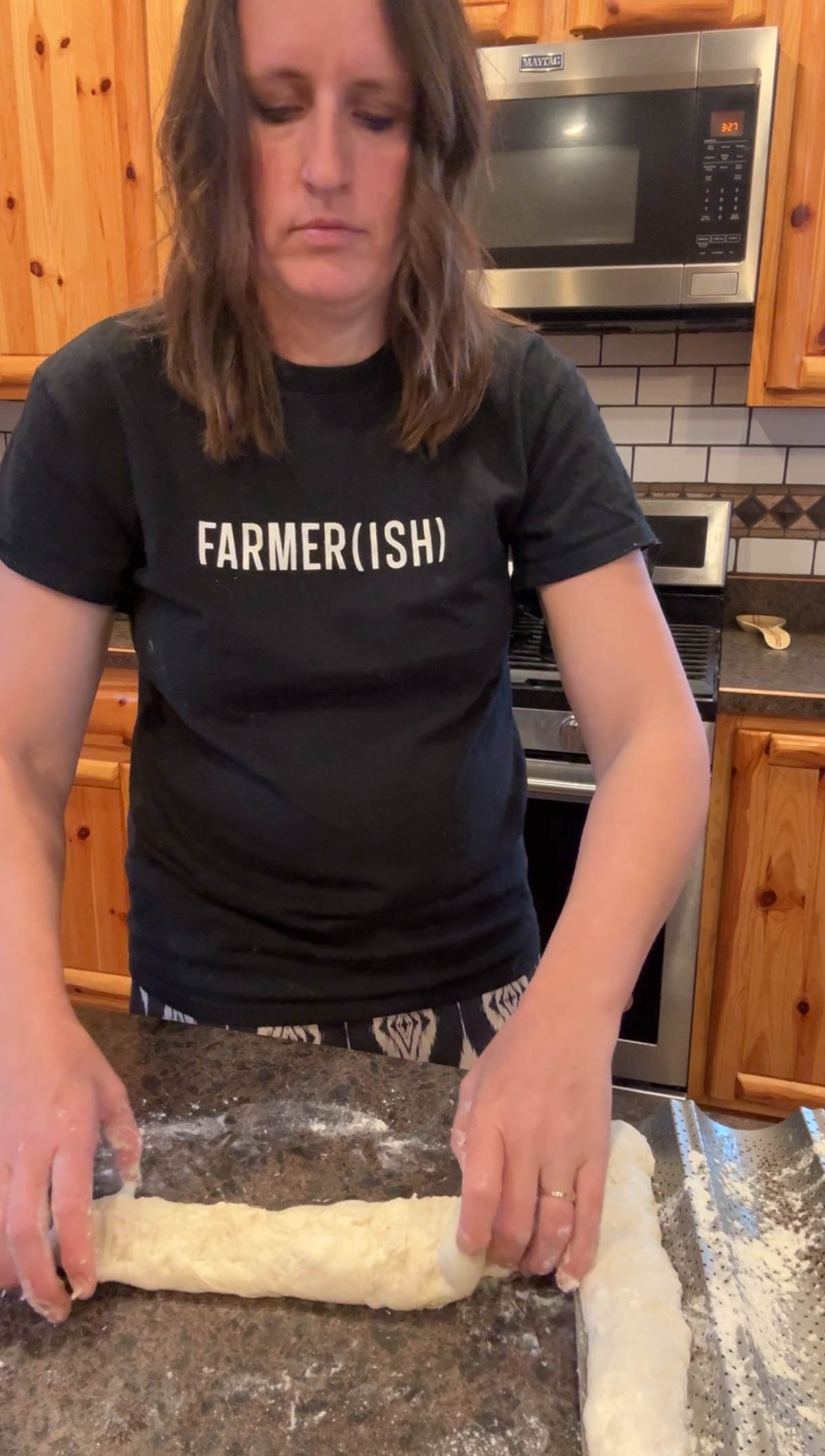
Gently pull the ends into a point using your fingertips.
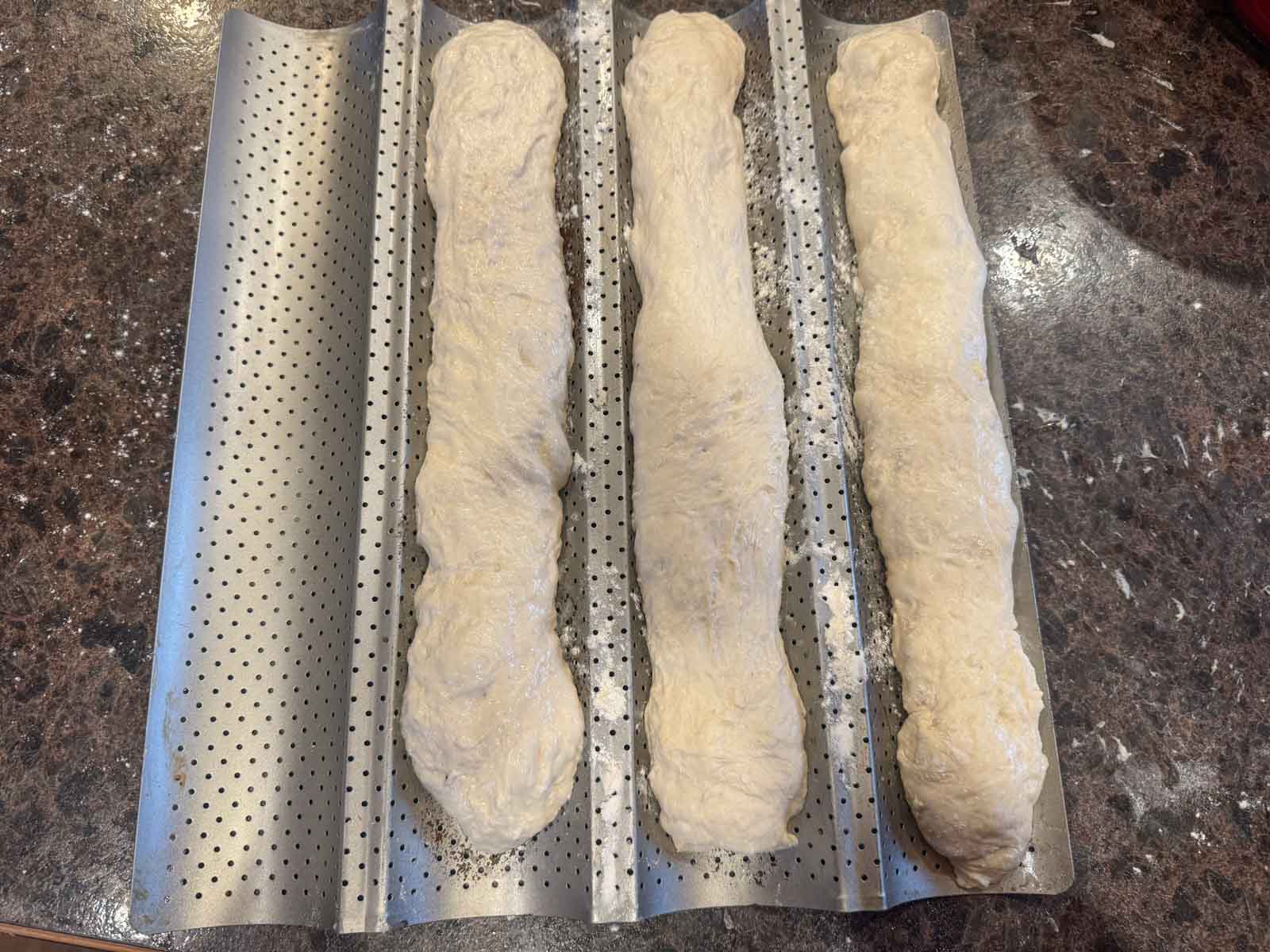
Gently lift the baguette and place it into your baguette pan.
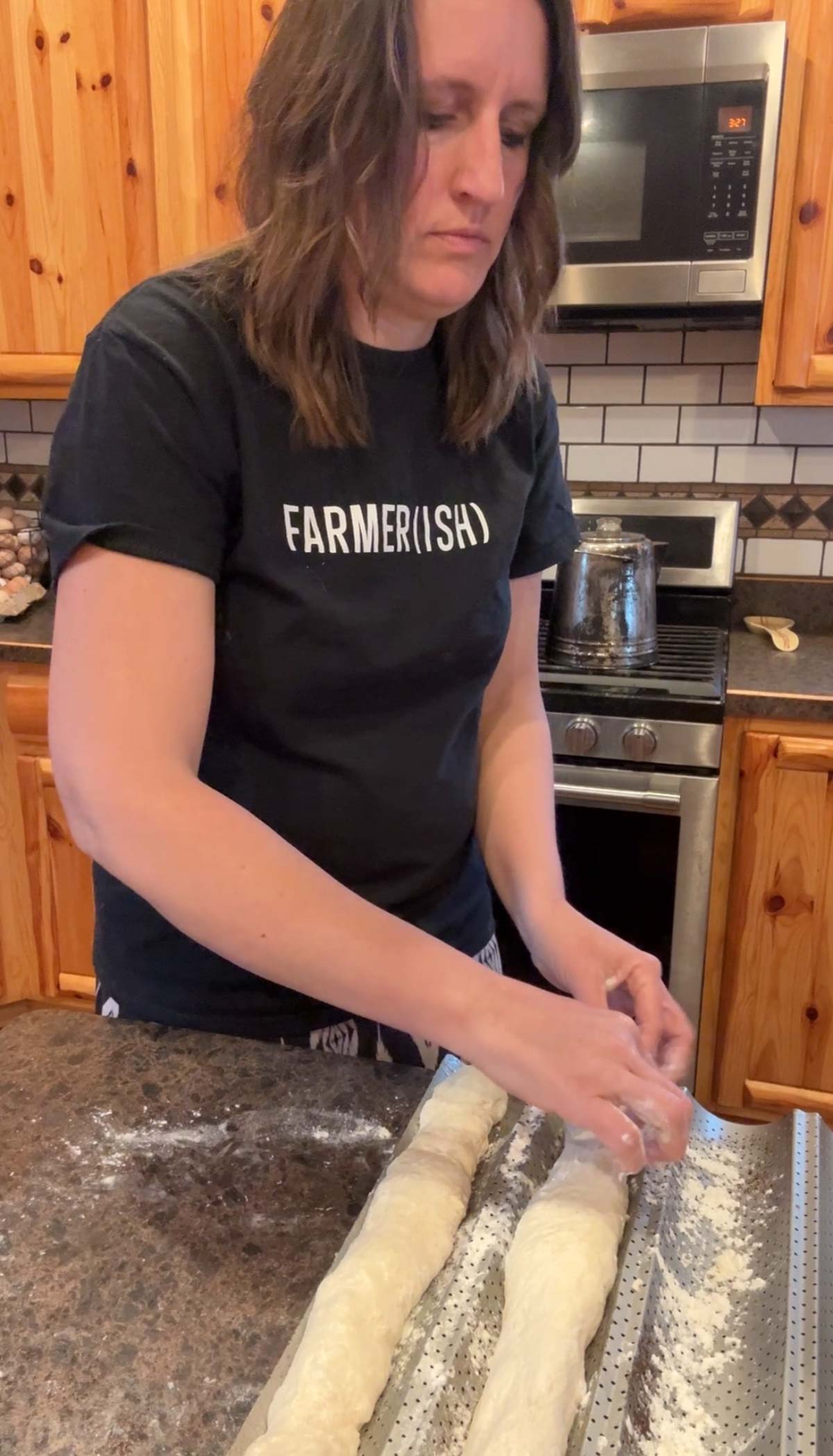
Cover with a plastic grocery bag and cold ferment in the refrigerator for 2 to 12 hours.
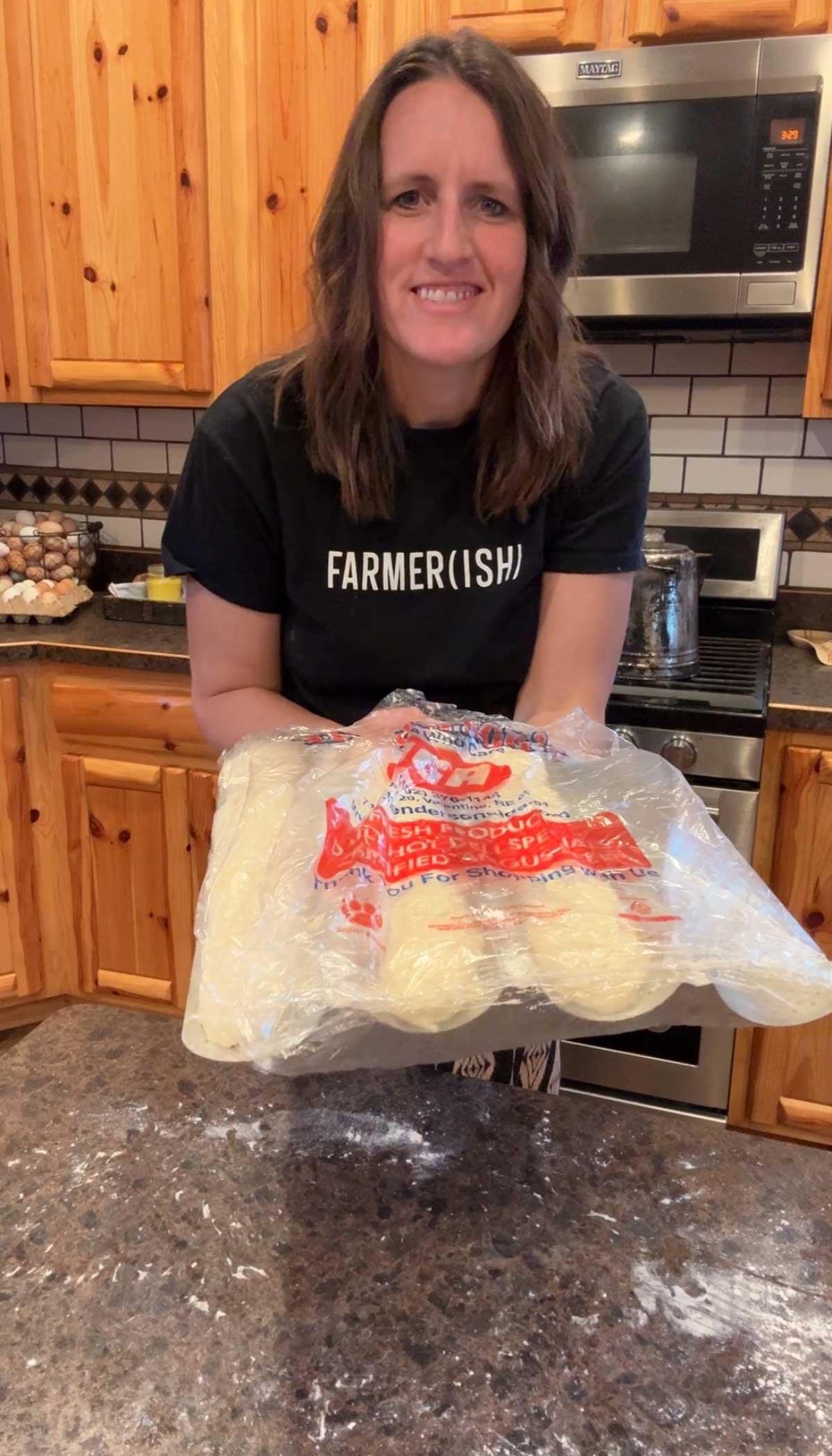
PREPARING TO BAKE - Once you're ready to bake your baguettes, you'll need to preheat your oven and a pizza stone to 425 degrees.
Place a baking sheet on a lower rack in the oven and pour boiling water into it. This will create a steam environment for the baguettes to bake in.
Gently score your baguettes with a lame and heavily mist with water.
Place in the oven and bake for 20-25 minutes.
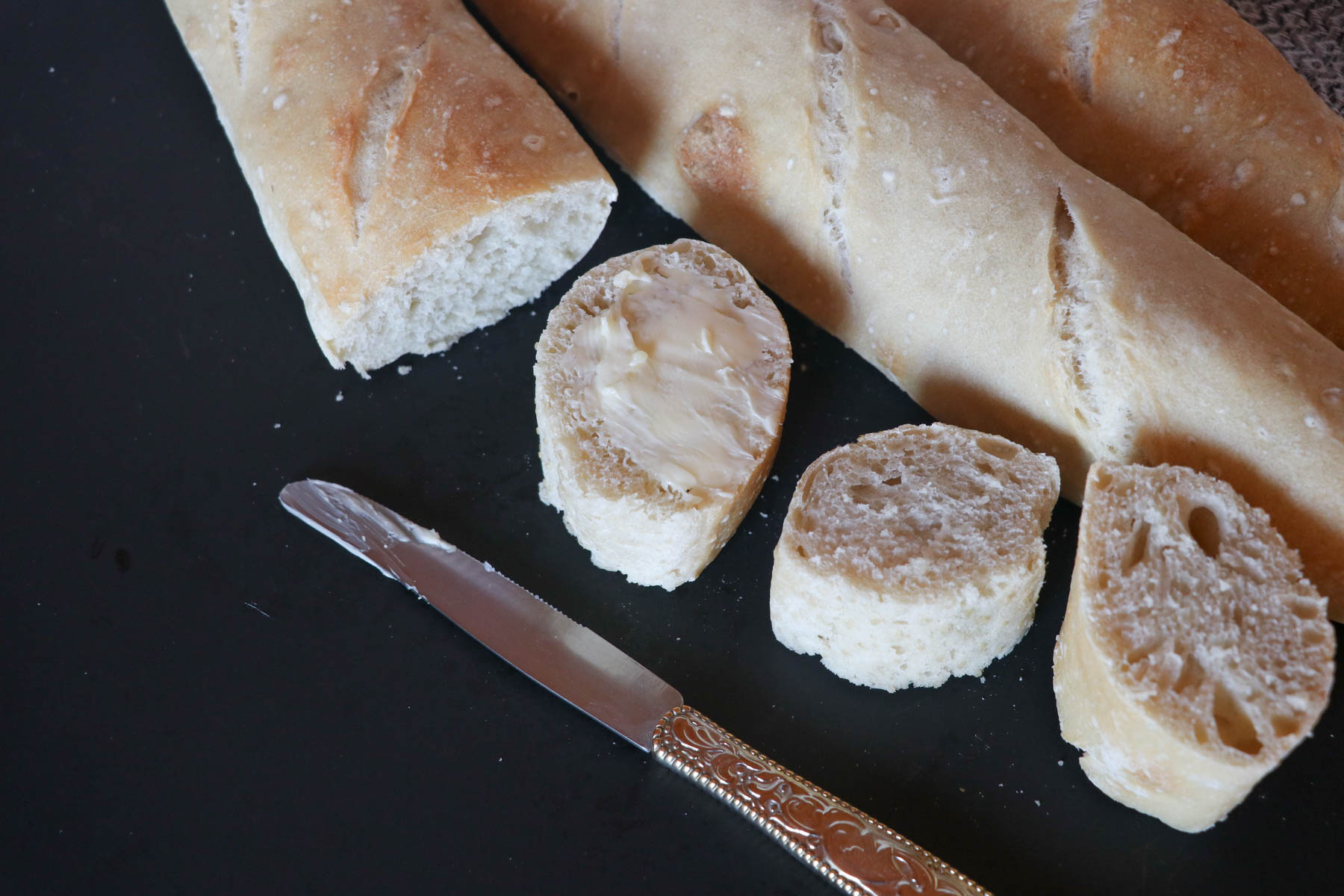
Remove from the oven, let cool, and enjoy with fresh butter.
Tips
- Use a sharp knife or lame to score your shaped baguettes just before baking to encourage an open crumb and proper expansion.
- Avoid using much flour on your workspace — just enough to prevent sticking, otherwise it can weigh down the high-hydration dough.
- Let your baguette dough do a cold bulk fermentation or overnight proof to develop flavor — next day baking often yields a better taste and chewy interior.
- If you don't have a baguette pan, shape each baguette on parchment paper and place it onto a kitchen towel. Pull up the towel on each side of the dough to create a wall, called a baker's couche. This will help support the dough and encourage it to rise upwards, instead of spreading out. It's best to do this on a cookie sheet to support the baguettes as they rise. Then transfer the risen baguettes to a hot pizza stone for baking.
- To get crispy, crunchy baguettes, be sure to put a pan of boiling water on a lower rack in your oven. This will create a steam environment which gives the baguettes a crisp exterior.
Easy Sourdough Baguette FAQ
A sourdough baguette is a long, thin loaf of bread made with a natural sourdough starter instead of commercial yeast. It has a crunchy crust, chewy interior, and a slightly tangy flavor.
Traditional French baguettes use commercial yeast and have a milder flavor. Sourdough baguettes rely on natural fermentation, which gives a tangy taste and improved texture.
Yes! Even a small amount of active starter can leaven your dough. Just adjust hydration and fermentation times as needed.
Store at room temperature in a paper bag for 1–2 days. For longer storage, freeze baked baguettes in aluminum foil or a resealable bag.
Sourdough baguettes are best when made with at least half all-purpose flour. It gives a light and airy interior to the baguettes. You can use up to 50% whole wheat or different flours if you desire.
More Recipes Like This

Easy Sourdough Baguette Recipe
Equipment
- 1 Large Mixing Bowl
- 1 Measuring cups
- 1 Danish Dough Whisk
- 1 Bench scraper
- 1 Bread Lame Scoring Tool or Razor Blade
- 1 Baguette pan
- 1 Pizza stone
Ingredients
- ½ cup active sourdough starter
- 1 ½ cups warm water
- 1 tablespoon salt
- 3 ½ cups flour
Instructions
Feed Starter
- Feed starter 4-12 hours before mixing up your dough
Mix Ingredients
- In a medium bowl, add water and active sourdough starter. To the wet ingredients, add the flour. Mix until it comes together into a shaggy dough. Leave it for 15-30 minutes to “autolyse”. This just means you’re giving the flour a chance to absorb the water and the starter.
- Add the salt and “mix” into the dough with a circular motion similar to how a mixer would mix the dough (see video below). Scrape the dough away from the sides of the bowl. Let the dough rest for 15-30 minutes.
Create Structure In Your Dough
- Begin creating structure in your dough by doing a series of stretch and folds, coil folds and/or lamination every 15-30 minutes. You will know your dough has good structure when it holds it shape and starts getting some bubbles on top. Sometimes I only do 2-3 sets of folds before letting it bulk ferment if I’m in a hurry, but I try to also do 2-3 coil folds and one lamination.
Bulk Ferment
- Cover the bowl with a loose-fitting lid like a plate and leave it in the bowl at room temperature for 2-3 hours to let the dough rise and bulk ferment.
- Divide the dough into three equal parts.
- Take a portion of the dough and stretch it out so that it's a flat rectangle.
- Take the top edge of the dough and fold it into the middle of the dough, pressing gently with your fingertips or the heel of your hand.
- Now pull the lower edge of the dough up and over, and then use the counter to create surface tension on the dough and pull it into the baguette shape (see video).
- Gently pull the ends into a point using your fingertips.
- Gently lift the baguette and place it into your baguette pan.
- Cover with a plastic grocery bag and cold ferment in the refrigerator for 2 to 12 hours.
PREPARING TO BAKE
- Once you're ready to bake your baguettes, you'll need to preheat your oven and a pizza stone to 425 degrees.
- Place a baking sheet on a lower rack in the oven and pour boiling water into it. This will create a steam environment for the baguettes to bake in.
- Gently score your baguettes with a lame and heavily mist with water.
- Place in the oven and bake for 20-25 minutes.
- Remove from the oven, let cool, and enjoy with fresh butter.
Notes
- Use a sharp knife or lame to score your shaped baguettes just before baking to encourage an open crumb and proper expansion.
- Avoid using much flour on your workspace — just enough to prevent sticking, otherwise it can weigh down the high-hydration dough.
- Let your baguette dough do a cold bulk fermentation or overnight proof to develop flavor — next day baking often yields a better taste and chewy interior.
- If you don't have a baguette pan, shape each baguette on parchment paper and place it onto a kitchen towel. Pull up the towel on each side of the dough to create a wall, called a baker's couche. This will help support the dough and encourage it to rise upwards, instead of spreading out. It's best to do this on a cookie sheet to support the baguettes as they rise. Then transfer the risen baguettes to a hot pizza stone for baking.
- To get crispy, crunchy baguettes, be sure to put a pan of boiling water on a lower rack in your oven. This will create a steam environment, which gives the baguettes a crisp exterior.


MMMMM