
Sourdough Hamburger Buns Recipe

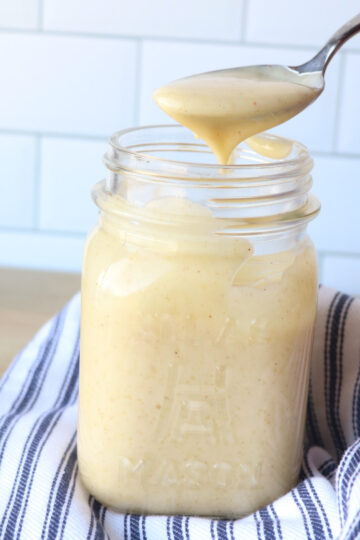
This sourdough hamburger buns recipe is fluffy, tender, and sturdy enough to hold your favorite juicy burgers without falling apart. Made with active sourdough starter and no commercial yeast, these homemade burger buns have a soft texture, delicious flavor, and stay fresh for several days. While they take a little time to rise, most of that time is hands-off, making them an easy addition to backyard cookouts, summer grilling nights, or a homemade burger dinner. So delicious paired with my oven baked fries recipe, sourdough onion rings, and spread with my homemade miracle whip recipe. If you're short on time, you can also try my sourdough discard hamburger buns, which use commercial yeast for a faster rise.
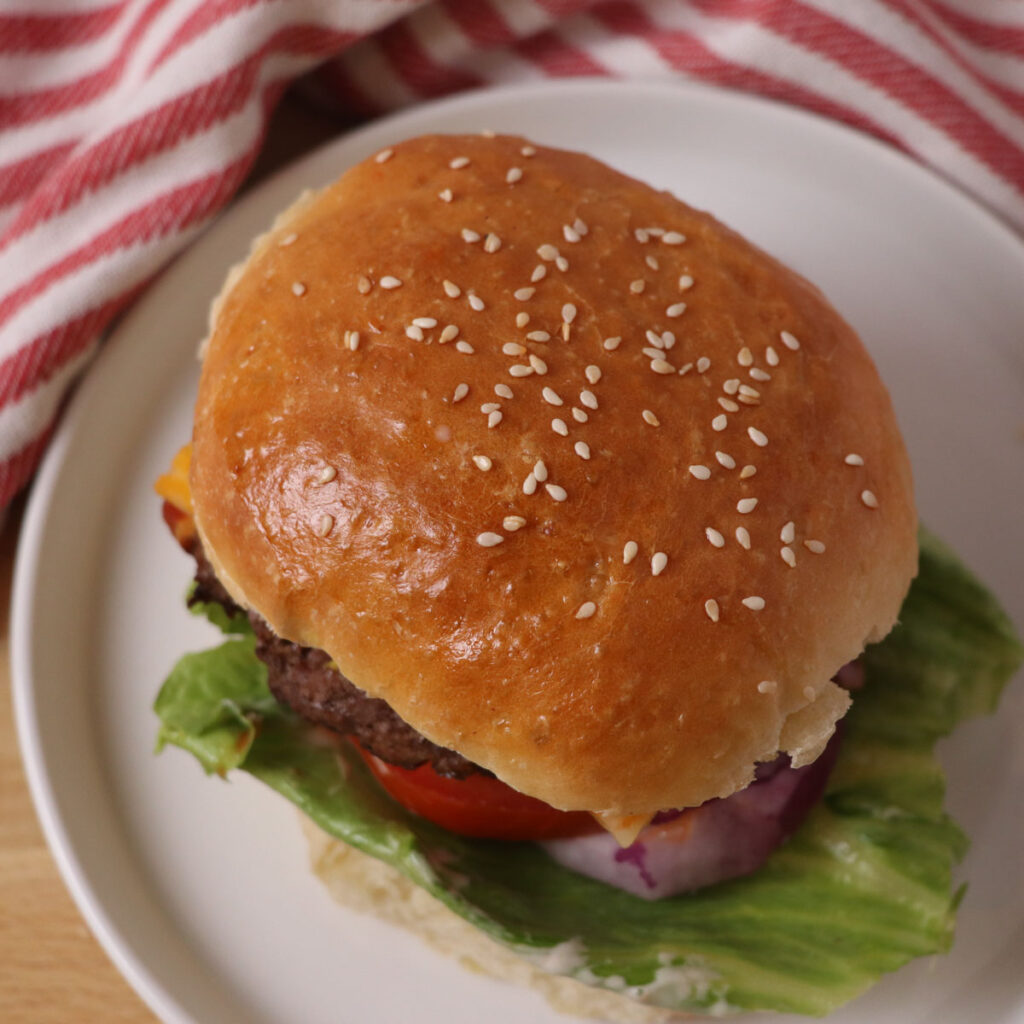
Quick Look: Soft Sourdough Hamburger Buns
- ⏱️ Prep Time: 6 hours
- 🍳 Cook Time: 30 minutes
- 🕒 Total Time: 6 hrs, 30 minutes
- 👥 Servings: 10
- 📊 Calories: ~208 kcal per serving (based on nutrition panel)
- 🔥 Cook Method: Oven-baked on baking sheet
- 👩🍳 Flavor Profile: Soft, slightly tangy, and mildly sweet with a tender, pillowy texture.
- ⭐ Difficulty: Easy – beginner-friendly, straightforward mixing, shaping, and baking.
SUMMARIZE & SAVE THIS CONTENT ON
Jump to:
Why You'll Love This Recipe
- Flexible timing: You can make the dough overnight or adjust the rise time to fit your schedule by putting it in the refrigerator to slow down the rise.
- Soft and fluffy: These homemade sourdough hamburger buns have a tender, pillowy texture with a soft crust.
- Made without commercial yeast: Active sourdough starter does all the work of helping the dough rise. If you're looking for a super quick hamburger bun recipe, you can try my sourdough discard hamburger bun recipe and you'll have buns in one hour.
- Easy to make: There are no complicated techniques or difficult steps. Simply mix the dough, let it rise, shape the buns, and bake.
- Perfect for burgers or sliders: Make regular-sized buns for juicy hamburgers or divide the dough into smaller portions for homemade sliders.
- Great for cookouts: Serve these buns with homemade burgers, crispy oven fries, or sourdough onion rings for a complete from-scratch meal.
- They stay soft: These buns stay fresh and soft for several days, making them great for leftovers, sandwiches, or breakfast the next morning.
Ingredients
- Salt- I like to use redmond real salt, but you can use whatever salt you have on hand. Salt is what gives the homemade buns their flavor, and it’s really important not to leave it out.
For a full list of ingredients needed to make this recipe, see the recipe card below.
This post contains affiliate links, which means I make a small commission at no extra cost to you. See my full disclosure here.
How To Make Sourdough Hamburger Buns Recipe

Step 1: Feed a small amount of starter (no more than ¼ cup) with about 1 cup flour and ⅓ cup warm water. Let it sit at room temperature until active, bubbly, and risen to the top.
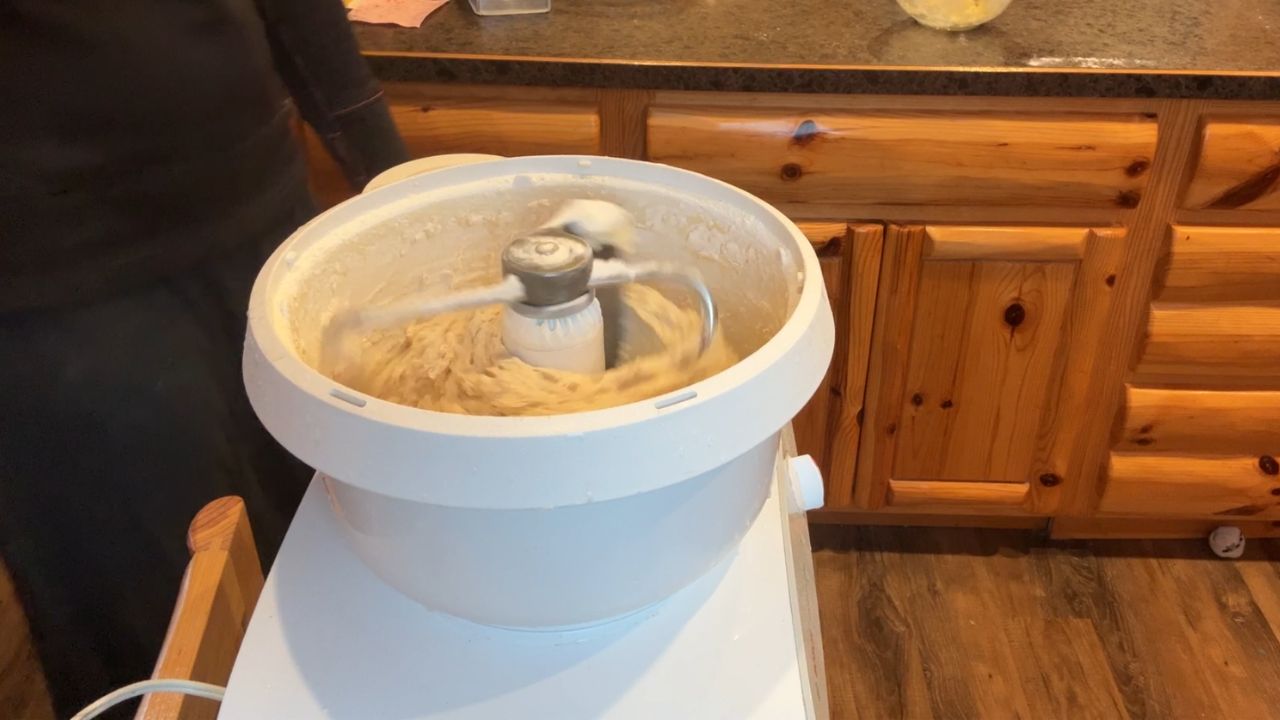
Step 2: Add all ingredients to the bowl of a stand mixer fitted with a dough hook. Mix until the dough pulls away from the sides of the bowl and is no longer sticky. Add a little more flour if needed.
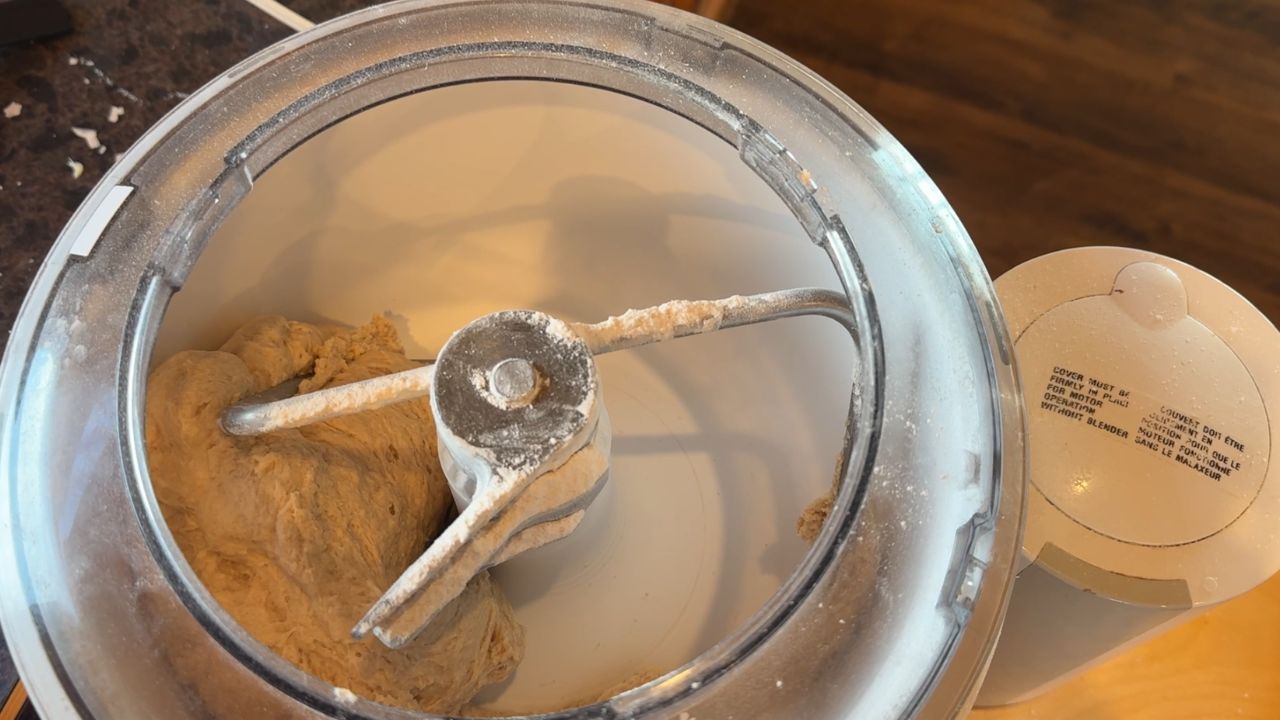
Step 3: Cover the dough and let it rise at room temperature. If making the dough overnight, place it in the refrigerator for the first rise to prevent overfermentation.
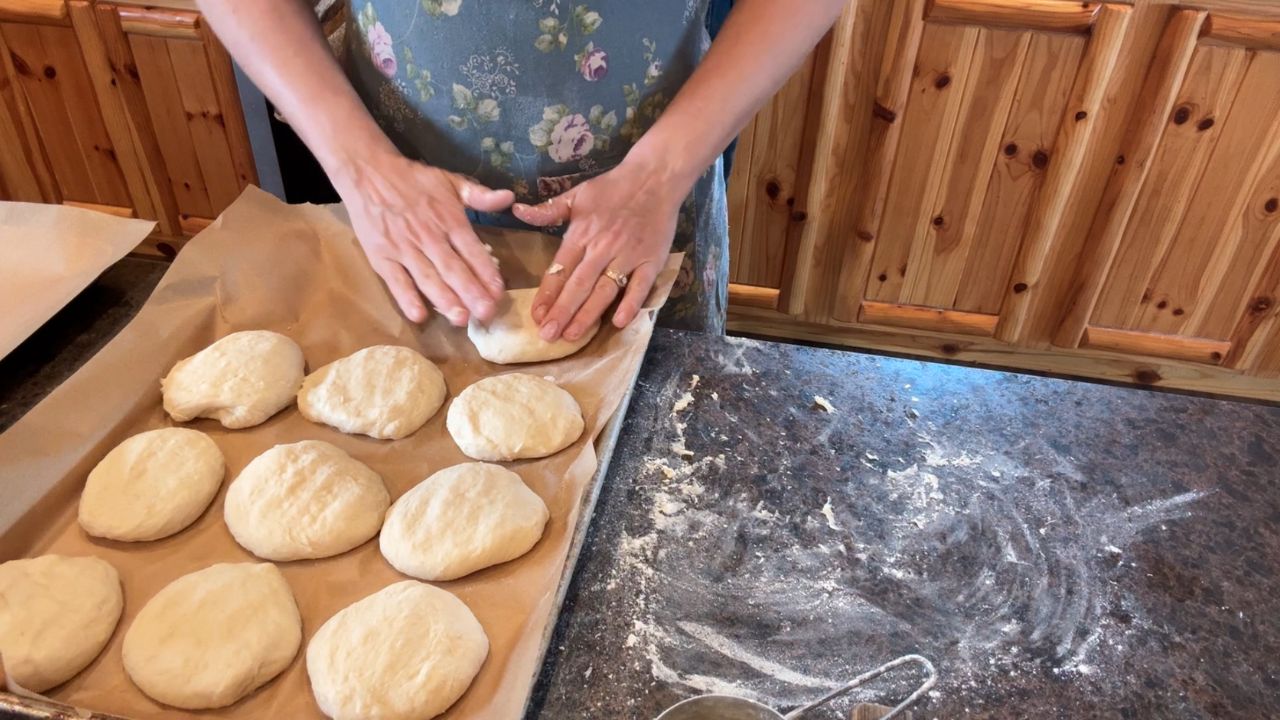
Step 4: Divide the dough into 8–10 equal pieces. Shape each piece into a smooth ball by tucking the edges underneath. Place on a parchment-lined baking sheet, leaving space between each bun. Cover with a tea towel and let the buns rise at room temperature for 1–2 hours, or until they are about 50% larger and nice and puffy.
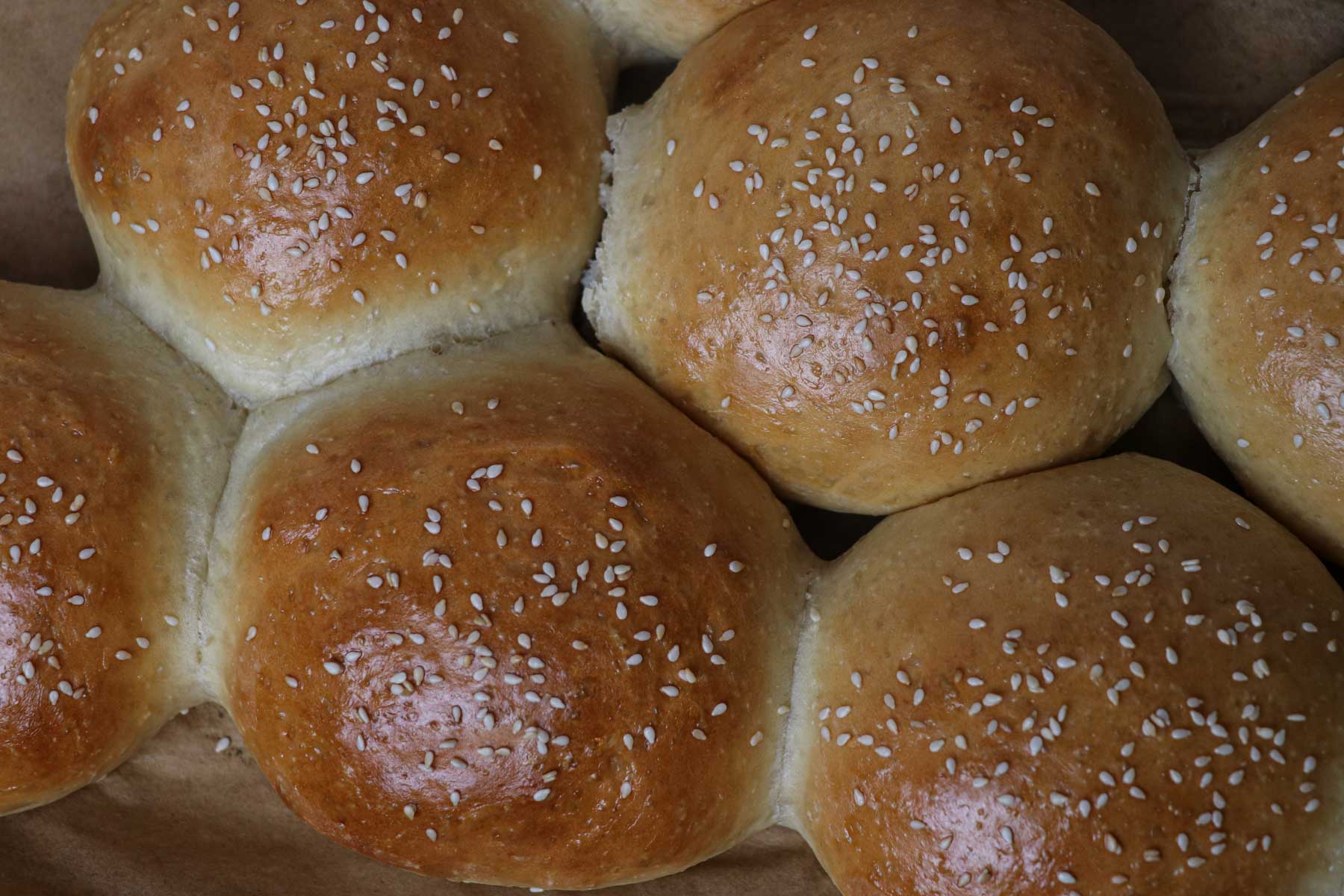
Step 5: Bake at 350°F for 25–30 minutes, or until golden brown. Brush with melted butter after baking, if desired.
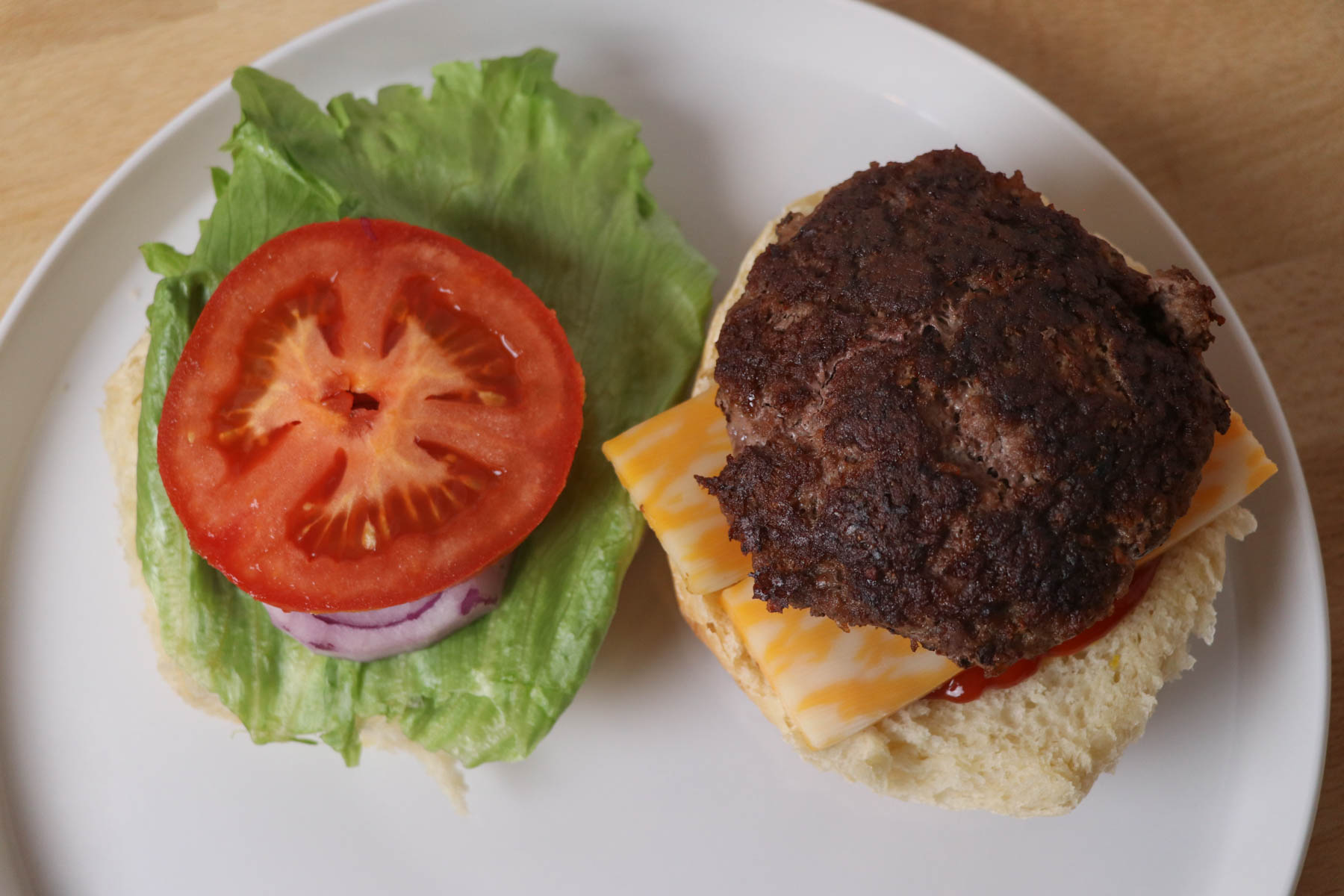
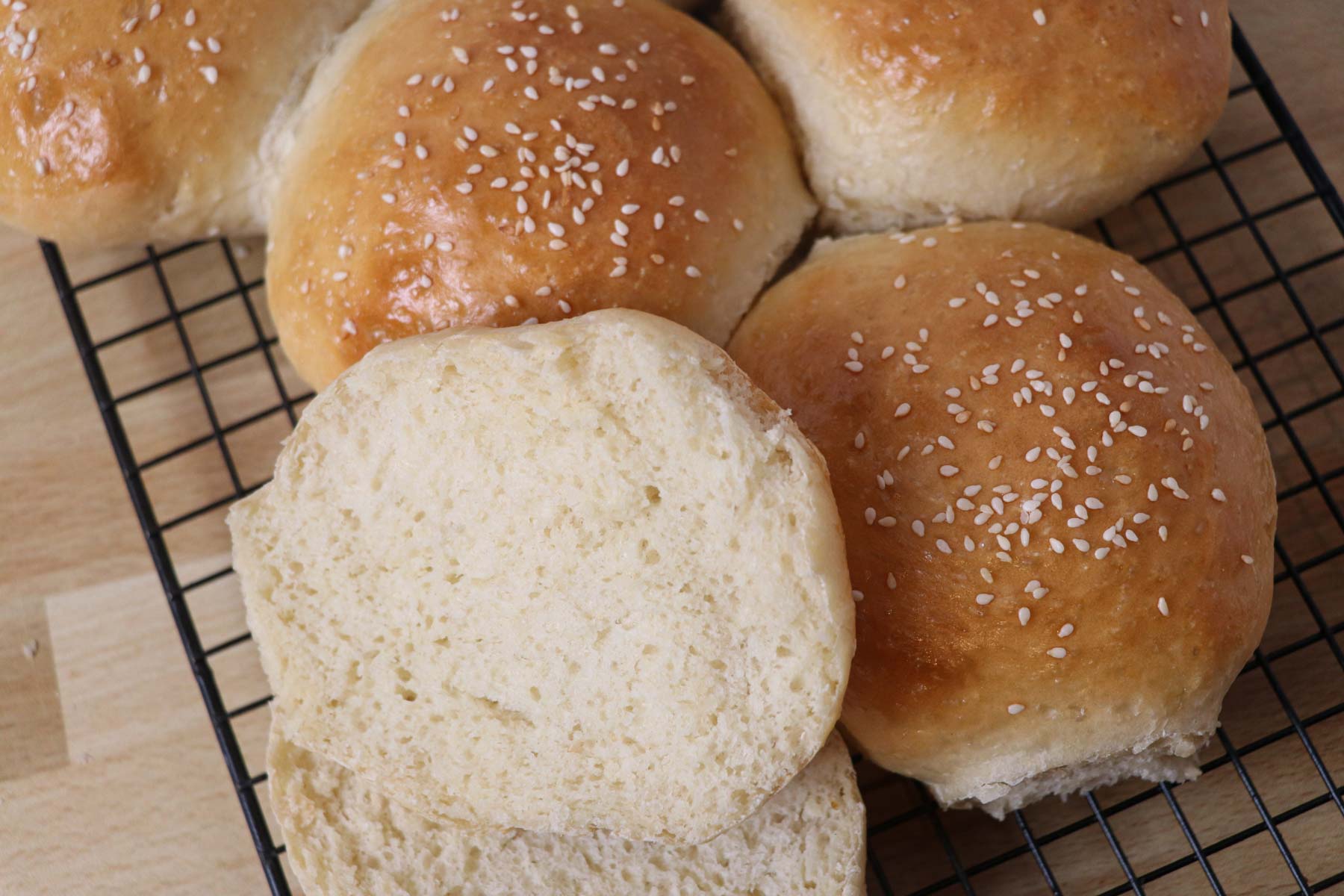
Step 6: Slice and serve with your favorite burger, condiments, cheese, pickles, and crispy oven fries baked in beef tallow.
Tips for Making Sourdough Hamburger Buns Recipe
- Use active starter. Make sure your sourdough starter is bubbly and active before mixing the dough for the best rise.
- Don't add too much flour. The dough should pull away from the sides of the bowl but still feel soft. Too much flour can make the buns dense.
- Avoid overfermenting. Let the dough rise until it has expanded nicely, but don't leave it too long or the dough can become difficult to shape.
- Use the refrigerator for flexibility. If you're making the dough ahead of time, refrigerate it during the first rise to slow down fermentation.
- Shape the buns evenly. Divide the dough into equal portions so the hamburger buns bake evenly.
- Don't overproof the buns. Let them rise until they're puffy and about 50% larger. They will continue to rise in the oven.
- Brush with egg wash or butter. Egg wash gives the buns a beautiful golden top, while brushing with butter after baking keeps the tops soft.
- Let them cool slightly before slicing. This helps prevent the soft interior from getting squished when cutting the buns.
Sourdough Hamburger Buns Recipe FAQs
Your starter should be bubbly, active, and have risen significantly after feeding. For best results, use it when it is at or near its peak.
Dense buns are usually caused by inactive starter, underproofing, or adding too much flour. Make sure your starter is active and give the dough enough time to rise.
Yes! You can refrigerate the dough during the first rise to slow fermentation and bake the buns the next day.
Yes. Let the buns cool completely, then store them in a freezer-safe bag or container. Thaw at room temperature when ready to use.
Store completely cooled buns in an airtight container or bag at room temperature. Brushing the tops with butter after baking can also help keep them soft.
Absolutely! Divide the dough into smaller portions and reduce the baking time as needed.
Other Favorite Recipes


If you try this recipe and love it, please come back and give it 5 stars! Tag me on Instagram @wagonwheelhomestead21. I can’t wait to see what all you make!

Sourdough Hamburger Buns Recipe
Equipment
- 1 Stand mixer My favorite mixer is a Bosch. They are very heavy-duty and a good investment if you plan to cook from scratch. They pay themselves off in no time, especially with the high cost of groceries.
- 1 measuring cups and spoons
- 1 Bench scraper
- 1 parchment paper
- 1 Baking sheet
Ingredients
- ½ cup active sourdough starter
- 1 ½ cups warm milk or buttermilk
- 1 tablespoon butter
- 2 tablespoon sugar
- 1 teaspoon salt
- 1 egg
- 4 - 5 cups flour
Instructions
Feed Sourdough Starter
- Feed up to ¼ cup of sourdough starter with about 1 cup flour and ⅓ cup warm water. This will give you plenty of active starter, and any leftovers can be refrigerated and used in pancakes, waffles, or other sourdough discard recipes.
- Allow fed starter to become active while sitting out at room temperature. When starter has risen all the way to the top and is happy and active, proceed to the next step.
Mix Up The Dough
- Add all of the ingredients to the bowl of your stand mixer fitted with a dough hook and mix until the dough pulls away from the sides of the bowl. After mixing for a few minutes, if the dough still seems sticky, you can add a little more flour if needed, so that the dough doesn’t stick to the edge of the bowl. It should pull away from the mixer bowl, and not be sticky.
First Rise
- Cover the dough and let it rise at room temperature. You can use the lid on your mixer bowl or transfer the dough to a separate bowl and cover with a damp tea towel. If making the dough at night, place it in the refrigerator for the first rise to prevent overfermentation.
Shape The Buns
- Divide the dough into 8–10 equal pieces, depending on how large you want the buns. Shape each piece into a smooth ball by tucking the edges underneath to create tension. Place on a parchment-lined baking sheet, leaving a little space between each bun. It's okay if they touch after rising.
Second Rise
- Cover with a tea towel, and allow the buns to sit out at room temperature and rise. This usually takes 1-2 hours. Shorter in the summer, and longer in the winter because of temperature of course. You want the buns to rise about 50%, and look nice and puffy. They will raise even more in the oven.
- If your house is cool, you can also turn your oven on to warm and let it get just above 100 degrees before shutting off the oven. Put the buns covered with a tea towel into the oven and they can raise in this warmer environment.
Egg Wash (Optional)
- Beat an egg yolk with 1 Tablespoon of water and gently brush it on top of the buns. Sprinkle with sesame seeds if desired. This step is optional, but will make a beautiful golden top to the buns.
Bake
- Preheat the oven to 350 degrees and bake the buns for 25 to 30 minutes or until golden brown. Remove from the oven. Brush the tops with butter if desired. I usually do this if I didn’t brush the tops of the buns with the egg wash.
Enjoy
- Slice buns in half and serve with your favorite burger, condiments, cheese, pickles and oven fries baked in tallow. So delicious!!
Notes
- Don’t overferment the dough. Let it rise close to double, then refrigerate if you need to slow the first rise.
- A stand mixer makes mixing quick and easy, but you can also use stretch and folds.
- Rise times will vary depending on the temperature. Dough will rise faster in warm weather and slower in cooler temperatures.
- Divide the dough into 16 pieces to make smaller slider buns.
- These buns freeze well, so save any extras for later.


Can't wait to try this recipe!